Foundations
Learn More


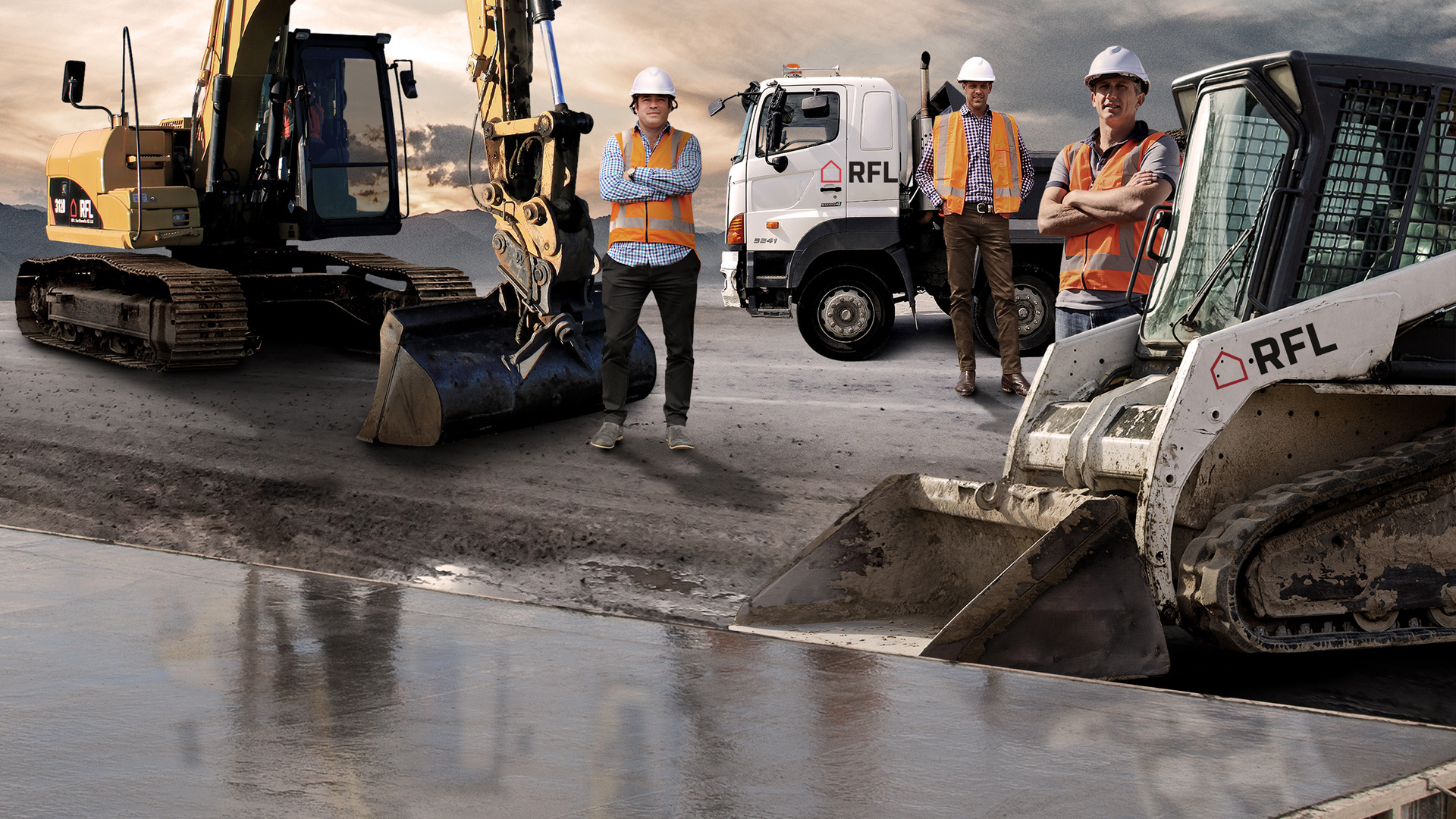
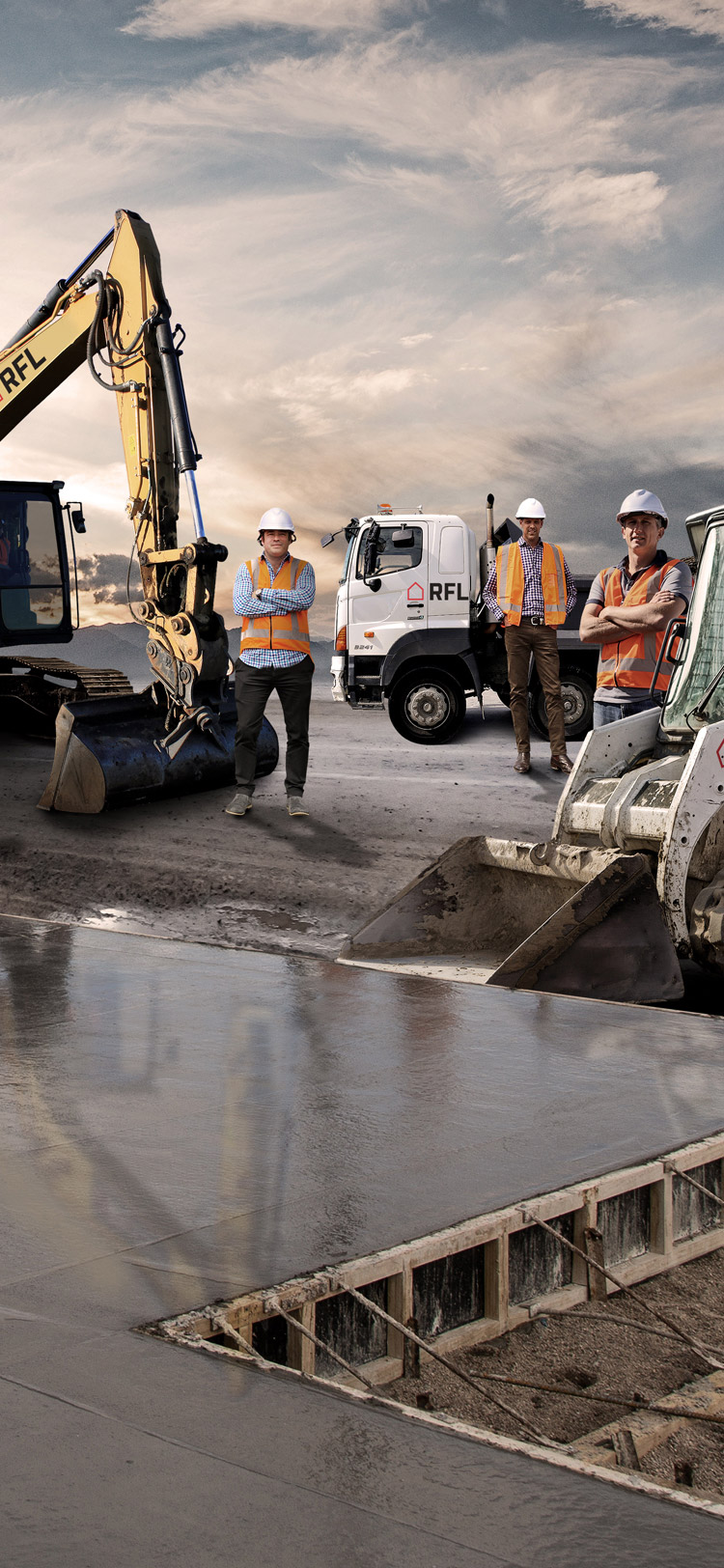
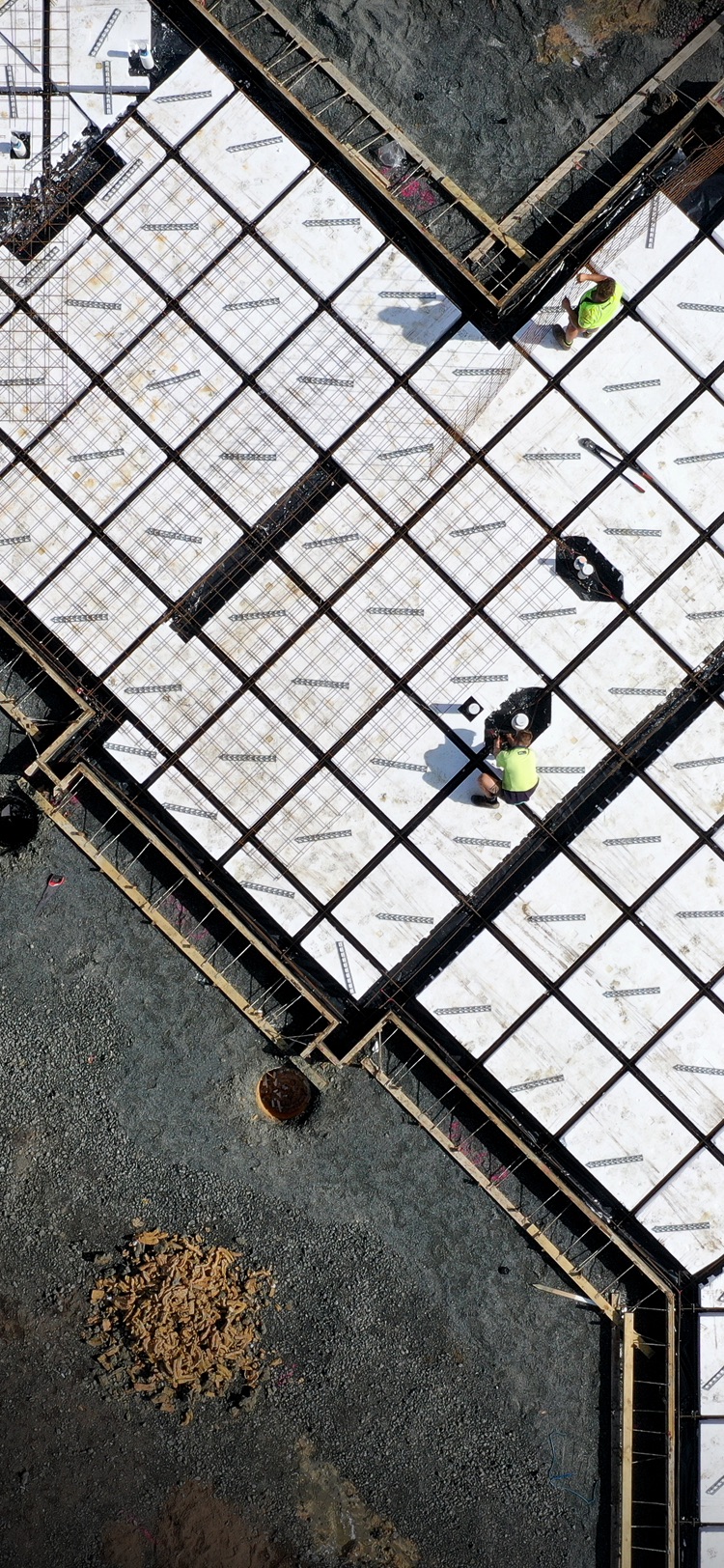
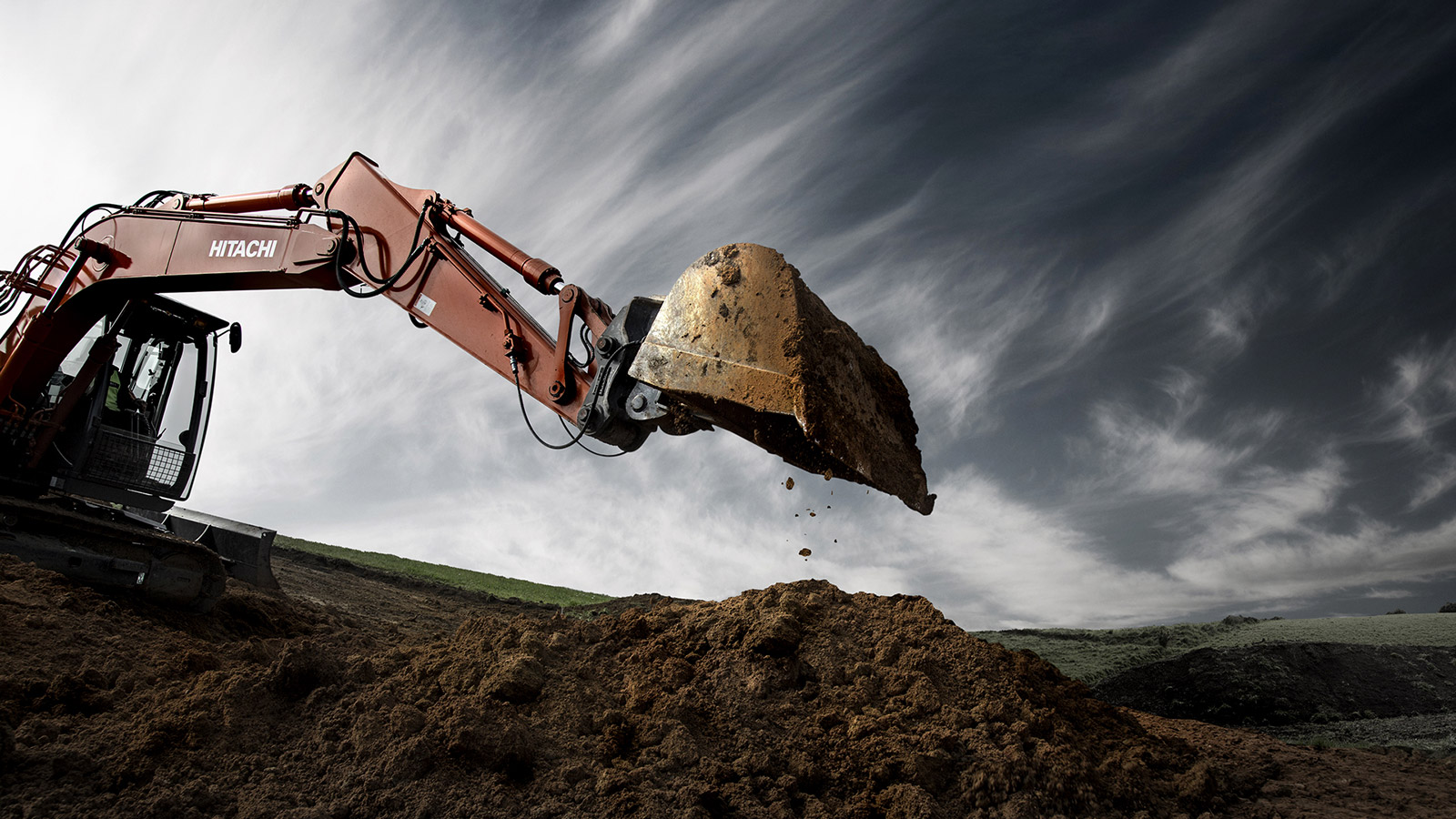
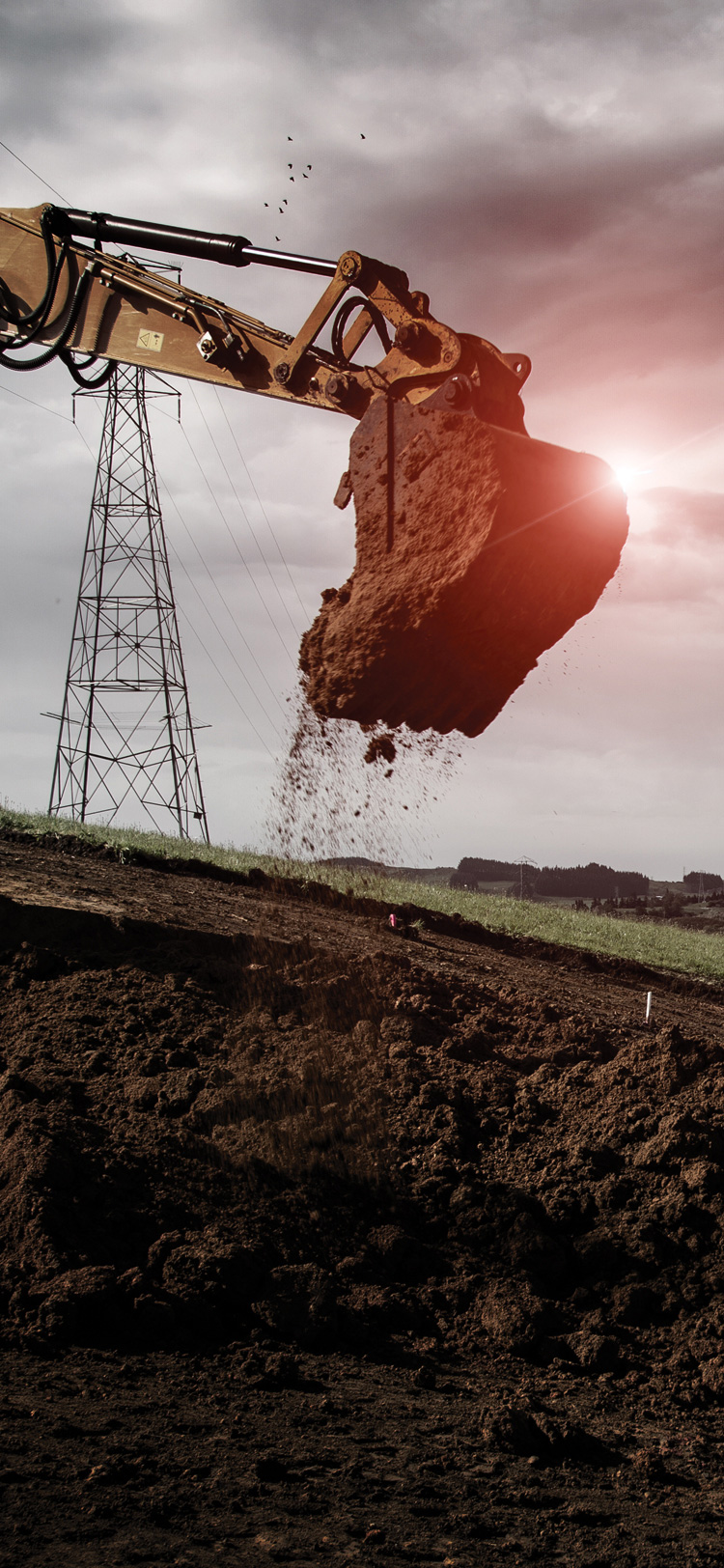
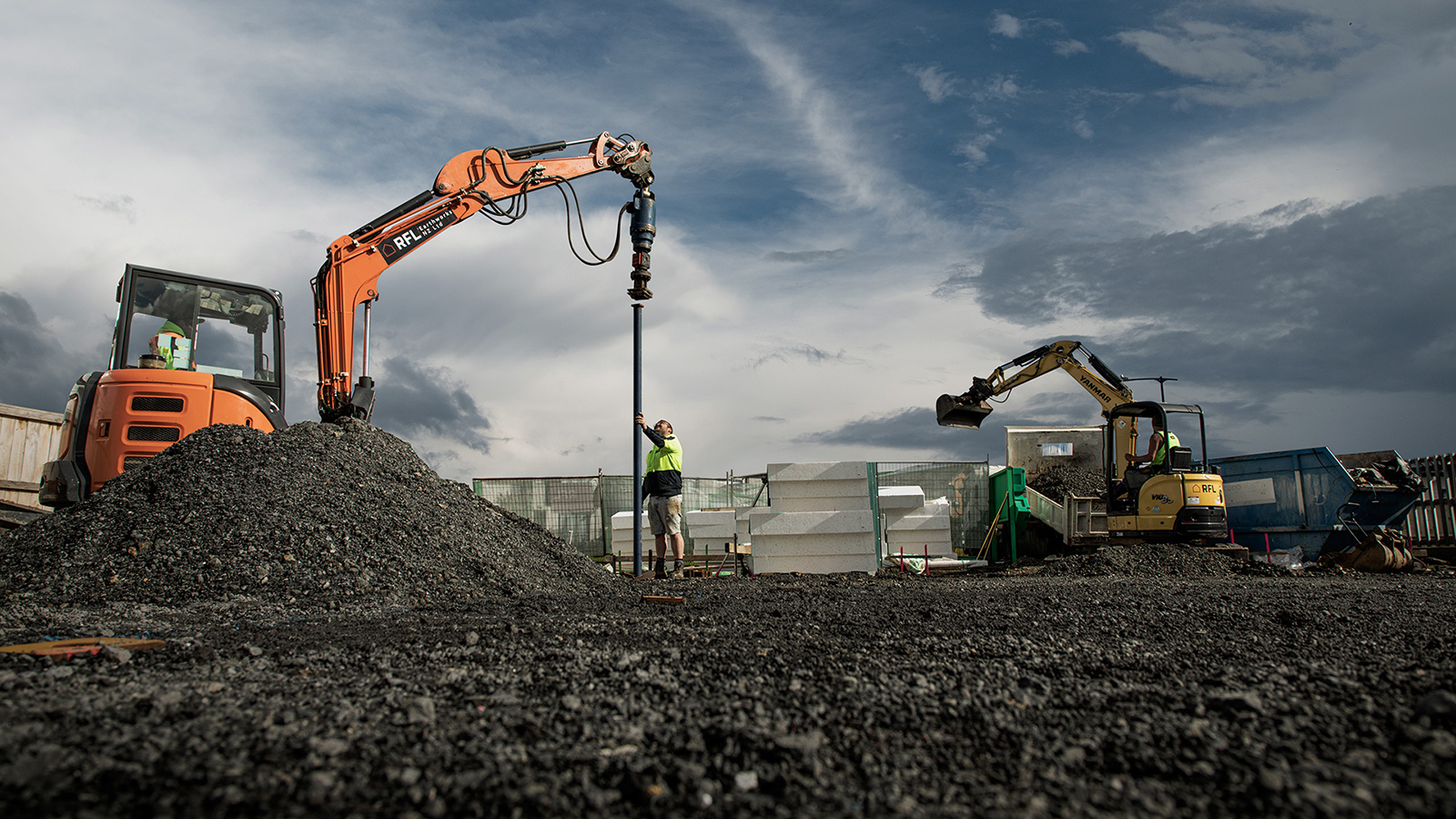
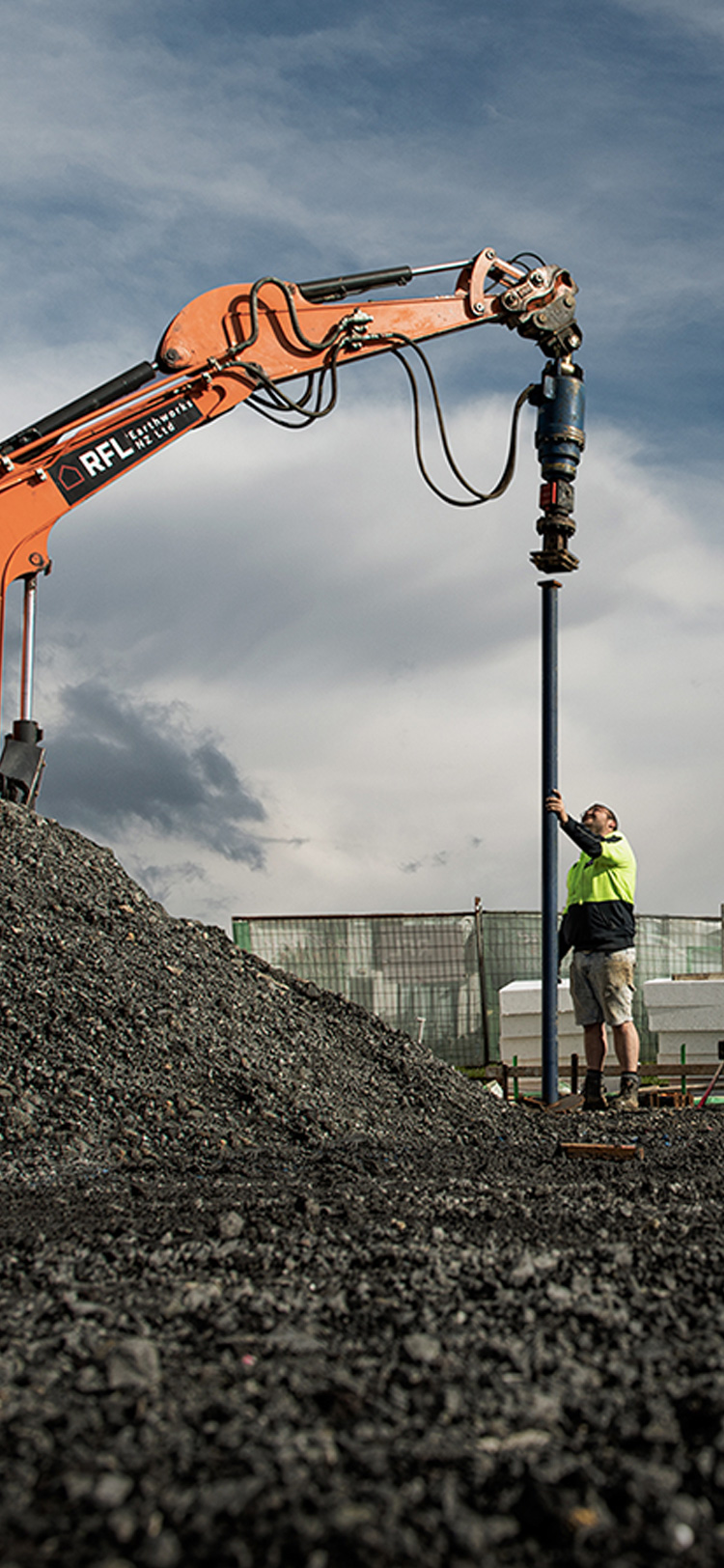


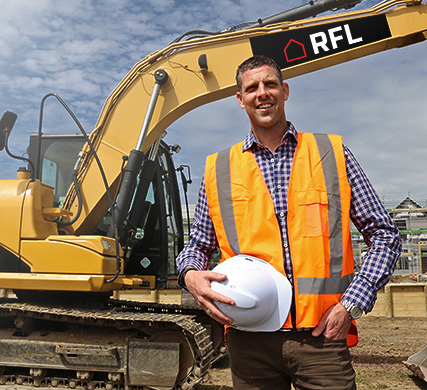
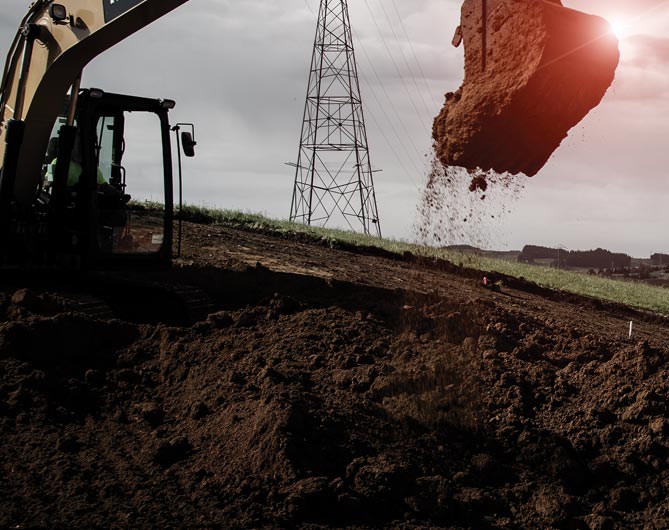
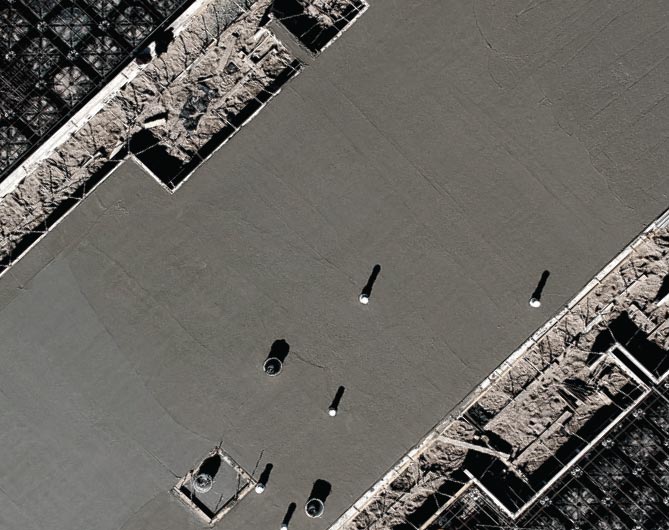
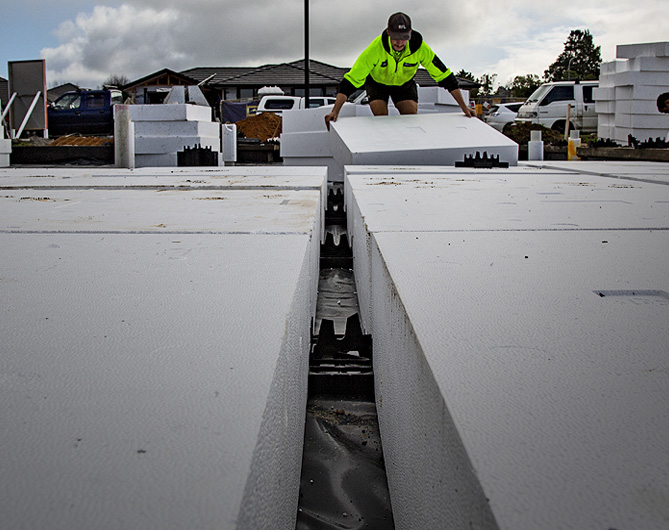
We specialise in the project management, preparation and installation of concrete raft foundations / super slabs for residential and light commercial builds including Ribraft X-Pod foundation systems and Katana screw pile systems. Our professional nationwide teams are always happy to discuss your project click here for contacts. Depending on your requirements, we can manage every stage in the construction of your concrete raft foundation / super slab, providing an engineered slab design, site preparation, management of all sub-contractors (electricians, plumbers, concrete suppliers) through to the installation and finishing of your raft floor. All of our crews are Licensed Building Practitioners. We our proud of our professional operation and our easy to work with friendly attitude. You can always rely on us to deliver a high quality product, on time, every time with zero stress.
Get QuoteWe specialise in the project management, preparation and installation of concrete raft foundations for residential and light commercial builds. Our professional nationwide teams are always happy to discuss your project click here for contacts. Read more...


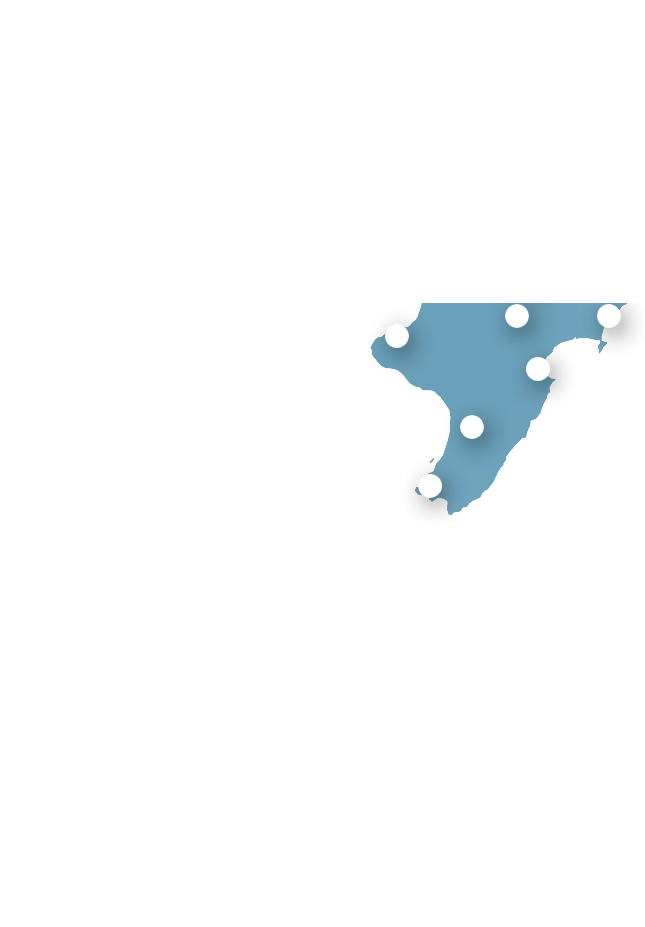

Based in our Pukekohe office, Alex manages all builds in the upper North Island from Hamilton, Tauranga Auckland, Rodney to the top of the country.
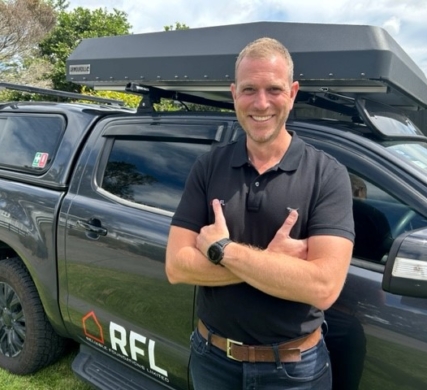
Ross manages all builds in the lower North Island from Taupo, Hawkes Bay, Taranaki, Palmerston North to Wellington.
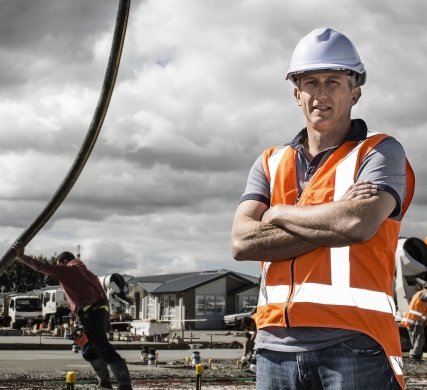
From our Christchurch office, Dayle manages all builds in the South Island from Canterbury, Otago, Central Otago, Queenstown and across to Dunedin.
Unit 1/ 18 Prospect Place, Berrinba Queensland 411

Mike manages our national partnerships and key accounts throughout NZ. If you are a builder with national coverage, please get in touch with Mike.